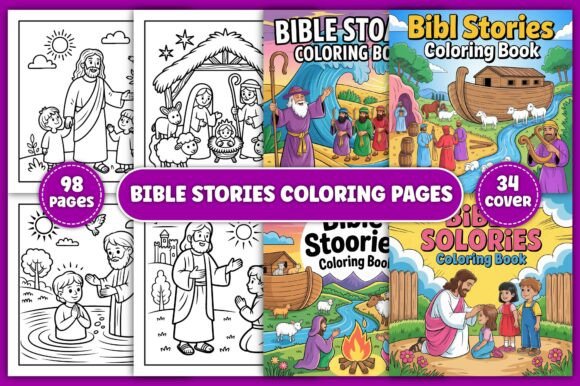
Bible Stories Coloring Pages
First Impression: Quiet, Reverent, and Surprisingly Versatile
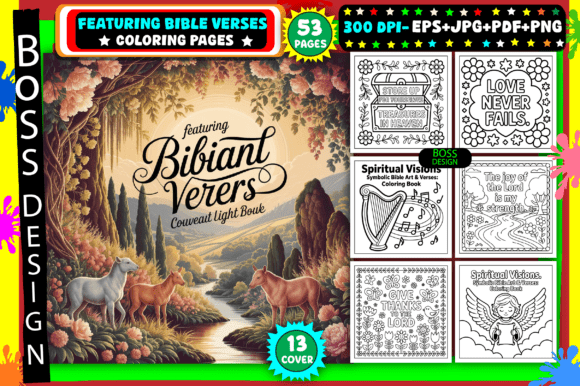
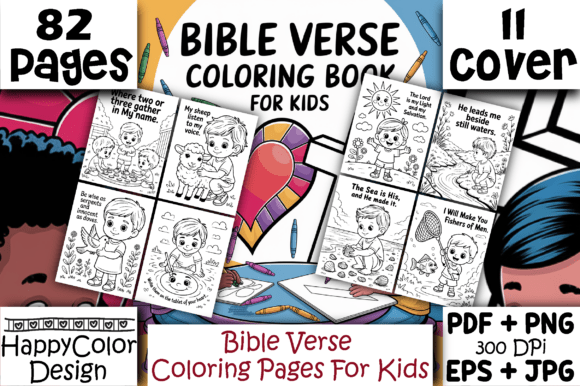
Opening Bible Stories Coloring Pages feels like flipping through a well-loved storybook—soft-lined, unhurried, and full of gentle narrative space. These aren’t bold, graphic icons or stylized clipart; they’re thoughtful line drawings with breathing room: clear contours, intentional negative space, and consistent stroke weight. As an embroidery designer who’s stitched everything from intricate floral monograms to high-density corporate logos, I immediately sensed this collection’s strength lies in its restraint. It doesn’t shout—it invites. That makes it ideal for projects where warmth, sincerity, and handmade authenticity matter more than flash: baby onesies, linen tea towels, minimalist nursery wall hangings, or custom-embroidered aprons for faith-based small businesses.
How It Stitches: Clarity Over Complexity
I tested a few key scenes—Noah’s Ark (simple boat + animals), the Good Samaritan (two figures, one kneeling), and a single olive branch motif—as machine embroidery designs on cotton twill, midweight linen, and a soft fleece-backed sweatshirt. The results were consistently clean. Because Bible Stories Coloring Pages was clearly drawn with embroidery translation in mind, the lines translate beautifully into running and satin stitches without collapsing or requiring excessive underlay. No tiny, un-stitchable eyes or micro-hands—just confident outlines and shapes that hold up at 3–4 inches wide. On a custom embroidered tote bag for a church women’s ministry, the ark design read instantly at arm’s length, even with subtle variegated thread. On a baby bib? It stayed legible after three rounds of hot washes—no fraying or stitch distortion.
Where It Shines—and Where It Needs Careful Handling
- Shines on: Linen pillow covers, cotton tea towels, unstructured canvas totes, lightweight denim jackets, organic cotton onesies, and felt patches for kids’ backpacks. The simplicity supports slow-stitching techniques and pairs naturally with earthy thread palettes.
- Use thoughtfully on: Stretchy knits (like t-shirts)—always test stabilizer pairing first; dark fabrics (contrast matters—try matte black thread on charcoal linen); curved surfaces like caps (avoid scenes with horizontal baselines that distort); and textured weaves (bouclé or heavy slub linen may obscure fine line work).
Real-World Fit: More Than Just “Religious Embroidery”
Last month, I used the “Shepherd & Sheep” motif from Bible Stories Coloring Pages as the centerpiece for a personalized baby gift set: embroidered on a muslin swaddle, a linen bib, and a hand-stitched patch sewn onto a knit blanket. Customers didn’t just recognize the story—they commented on how “calm” and “intentional” it felt compared to busier, trend-driven designs. That’s the quiet power here: it reads as curated, not generic. For Etsy sellers or boutique owners, that translates directly to perceived value and repeat buyers. A customer isn’t just buying a “bib”—they’re investing in a keepsake with emotional resonance. And because the line work is so forgiving, it works equally well as a digital embroidery file preview, a printable mockup for your shop listings, or a base layer for hand-embroidered embellishment.
Design Integrity Meets Practical Craftsmanship
What sets Bible Stories Coloring Pages apart isn’t novelty—it’s reliability. As a designer reviewing assets for commercial embroidery, I look for consistency across motifs: same line weight, balanced spacing, no overlapping elements that create stitch conflicts. This collection delivers. There’s no jarring shift in scale between David & Goliath and the Burning Bush—each scene feels part of the same visual family. That cohesion matters when building a cohesive product line (e.g., a series of holiday-themed kitchen towels) or maintaining brand consistency for a faith-based craft business. It also means less time adjusting individual files before digitizing—more time stitching, selling, and connecting with customers.
Essential Designer Notes Before You Stitch
- Always run a test stitch on scrap fabric matching your final substrate—especially for stretchy or napped fabrics.
- Check thread color contrast early: these designs rely on silhouette clarity, not fill density. A light gray thread on oatmeal linen reads better than white-on-cream.
- Review stitch density—if you’re adapting the coloring page into an applique design or layered fill stitch, confirm the inner details won’t vanish under coverage.
- Confirm hoop size compatibility: most scenes sit comfortably in a 4×4 hoop, but wider compositions (like the Exodus crossing) may need 5×7. Don’t assume.
- Inspect small details at actual stitch size: a delicate crown or scroll might need slight thickening if used on coarse fabric or for high-wear items like aprons.
- Test black-and-white mockups: since these are line-based, they must retain readability without color cues—critical for embroidery previews or printed catalogs.
- Verify licensing: Bible Stories Coloring Pages is listed under Coloring Pages Amp, but always confirm whether your intended use—selling finished embroidered products, bundling as design assets, or offering as a digital embroidery file—is permitted.
Final Thought: A Thoughtful Tool, Not Just Another Clipart Pack
Bible Stories Coloring Pages won’t dominate a craft fair booth with neon energy—but it will earn quiet nods from parents, teachers, chaplains, and small shop owners who value intention over impulse. It fits seamlessly into handmade product workflows, supports meaningful storytelling in apparel and home goods, and holds up with integrity across embroidery applications—from simple running-stitch tea towels to multi-layered satin-stitch patches. If your craft business centers on care, connection, and quiet craftsmanship, this isn’t just another design asset. It’s a trusted collaborator.