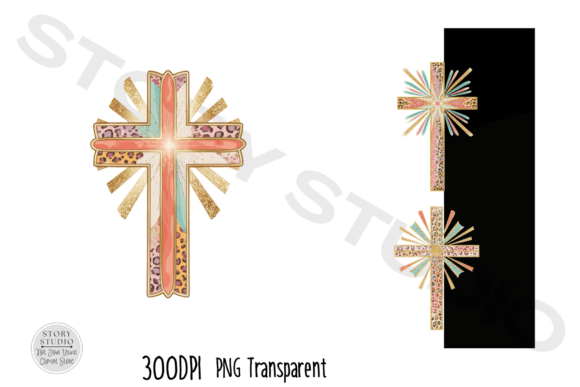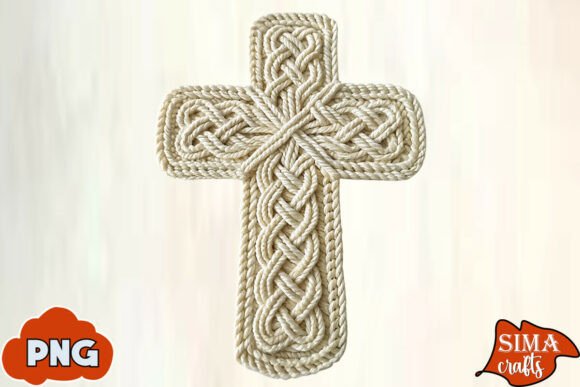
Faux Yarn Crochet Cross Sublimation for Crafts
As a brand designer and content marketer who’s helped over 200 small businesses refine their visual storytelling, I tested Faux Yarn Crochet Cross Sublimation in a live campaign—launching a spring-themed handmade wellness kit for a ceramicist-turned-coach. Right away, the asset delivered warmth without clutter: soft texture, intentional imperfection, and that unmistakable handmade charm. It doesn’t scream “craft fair”—it whispers “thoughtfully made,” which is exactly what modern audiences crave when choosing small business brands.
A First Impression That Builds Audience Trust
The Faux Yarn Crochet Cross Sublimation lands with gentle authority. Its layered yarn simulation reads as tactile and human—not AI-perfect, not sterile. That subtle irregularity signals authenticity, which directly supports audience trust and emotional connection. For lifestyle brands, spiritual coaches, or slow-living product creators, this graphic design asset evokes care, intention, and quiet reverence—ideal for Easter promotions, mindfulness launches, or seasonal content kits. It leans into warmth, not whimsy; sincerity, not sentimentality.
Where This Graphic Design Asset Earns Its Place in Real Campaigns
In our wellness kit launch, we used Faux Yarn Crochet Cross Sublimation across six touchpoints—and each time, it strengthened visual consistency without repeating itself:
- Social media graphics: As a subtle corner accent in Instagram carousels—never competing with copy, always reinforcing craft-led values.
- Pinterest pins: Layered behind hand-lettered affirmations; the texture added depth while keeping text fully legible.
- Email banners: Scaled to 30% opacity behind headline text—softening digital sharpness without sacrificing clarity.
- Printable promotions: Printed on kraft paper inserts—its yarn-like grain echoed the tactile feel of the physical product.
- Canva templates: Pre-placed in editable frames so the client’s team could swap colors, fonts, and photos—no design skill required.
- Digital product visuals: Featured in mockups for a downloadable “Spring Ritual Guide,” making the PDF feel like a curated artifact, not a generic download.
This isn’t just clipart—it’s a commercial design element that performs across marketing visuals, editorial design, and packaging design. Unlike flat SVG designs, its sublimation-ready texture gives dimension even at small sizes, supporting stronger visual hierarchy without extra layers.
How It Strengthens Brand Identity—Without Overpowering It
What makes Faux Yarn Crochet Cross Sublimation unusually versatile is its neutral-yet-characterful presence. It works with serif fonts (think Garamond for editorial elegance), sans serifs (Inter for clean digital use), and even restrained script fonts—never clashing, always complementing. We tested it against charcoal gray, oat milk beige, and deep forest green—and each time, it anchored the palette without dominating it.
It’s especially effective in small business branding where resources are tight: one well-placed instance builds recognition faster than three inconsistent icons. Used as a recurring decorative brand element—in website headers, email footers, or merch tags—it quietly reinforces cohesion. And because it’s rooted in Crafts tradition but rendered with modern precision, it bridges heritage and relevance.
Where to Use It Carefully—And Why
This graphic design asset shines brightest when given breathing room. Avoid using Faux Yarn Crochet Cross Sublimation in:
- Formal corporate branding: Its handmade tone contradicts boardroom-level authority unless intentionally softened for internal culture campaigns.
- Dense information layouts: On comparison charts or feature grids, it competes with data—not worth the distraction.
- Small mobile graphics: Below 120px wide, yarn detail blurs into noise—test readability before finalizing.
- Low-contrast backgrounds: On light grays or off-whites, texture fades; always check black-and-white usage for print safety.
- Text-heavy ads: In Facebook or Google display ads, prioritize message-first layouts—use it only as a subtle background overlay at ≤15% opacity.
Practical Brand Designer Notes You’ll Want to Follow
Before embedding Faux Yarn Crochet Cross Sublimation into your next campaign, run these checks:
- Test it with your full brand color palette—not just primary, but secondary and neutrals.
- Preview it inside real mockups: Canva template, packaging dieline, email builder, and mobile preview tools.
- Compare spacing and balance beside your logo and core typography—does it support, not squeeze?
- Verify commercial license terms—especially if using in client work, paid ads, or digital product bundles.
- Check how it pairs with your dominant font families: Does it soften a bold sans? Warm up a minimalist serif? Ground a playful script?
- Confirm PNG transparency and SVG scalability—both matter for web design and printable design flexibility.
When used intentionally, Faux Yarn Crochet Cross Sublimation does more than decorate—it signals values. It tells your audience: “We honor process. We choose texture over trend. We make things with attention.” That’s not just modern design. That’s professional branding with heart.
Why Creative Entrepreneurs Keep Returning to This Design Asset
In the creative marketplace, most crochet-themed assets skew either overly literal or cartoonish. Faux Yarn Crochet Cross Sublimation avoids both traps. It’s detailed enough to feel authentic, refined enough to scale across digital ads, product labels, and lead magnets. For bloggers building content bundles, online coaches designing course workbooks, or digital sellers refreshing their Etsy shop visuals—it’s a rare design bundle component that delivers emotional resonance *and* functional versatility.
Bottom line: If your brand speaks in hushed tones, thoughtful pauses, and handmade integrity, this graphic design asset won’t just fit—it’ll deepen your story.